- Build log
- 01 DESIGN
- 02 WIRE
- 03 RACE
- 04 CODE
- 05 SHIP
Whatstudentslearn.
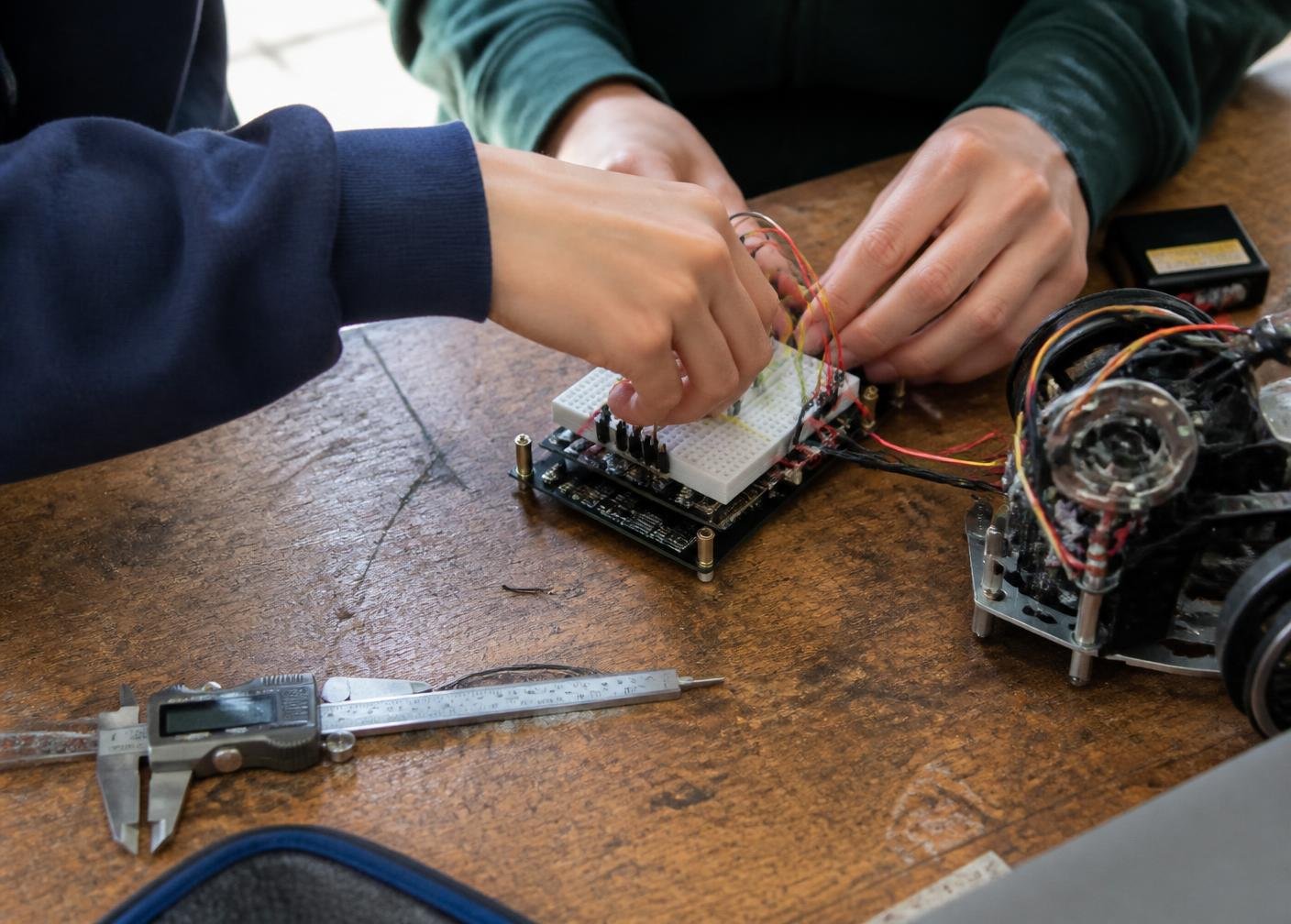
Every month ends with something students made and can show: a printed part, then a working circuit, a raced car, code on GitHub — and finally a device they demonstrate in public.
What youwalk outwith.
No slide decks as proof. Each month closes with a part on the bench, and the last one is a device that runs.
ship it- Part 011 month
CAD
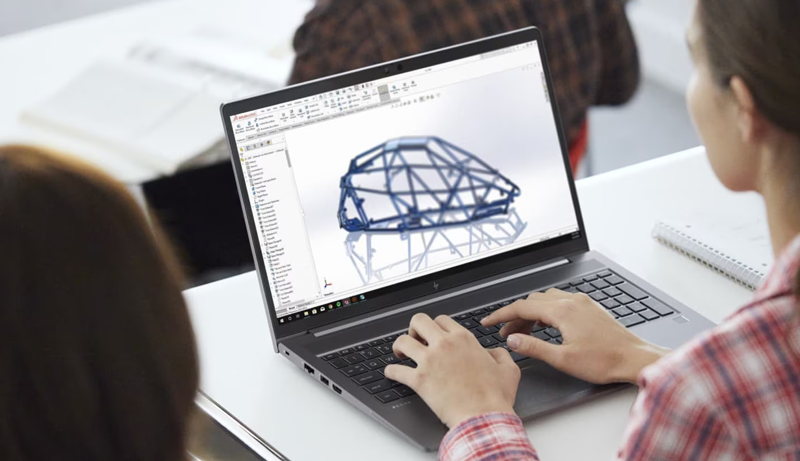
One student-designed part — modelled, simulation-checked, printed, and documented
- Part 021 month
Electronics & Embedded Systems
A battery-powered device that reads a sensor and drives an output, in a printed enclosure
- Part 031 month
STEM Racing
A raced car, an engineering portfolio, a project budget, and a team pitch
- Part 041 month
AI-Assisted Programming
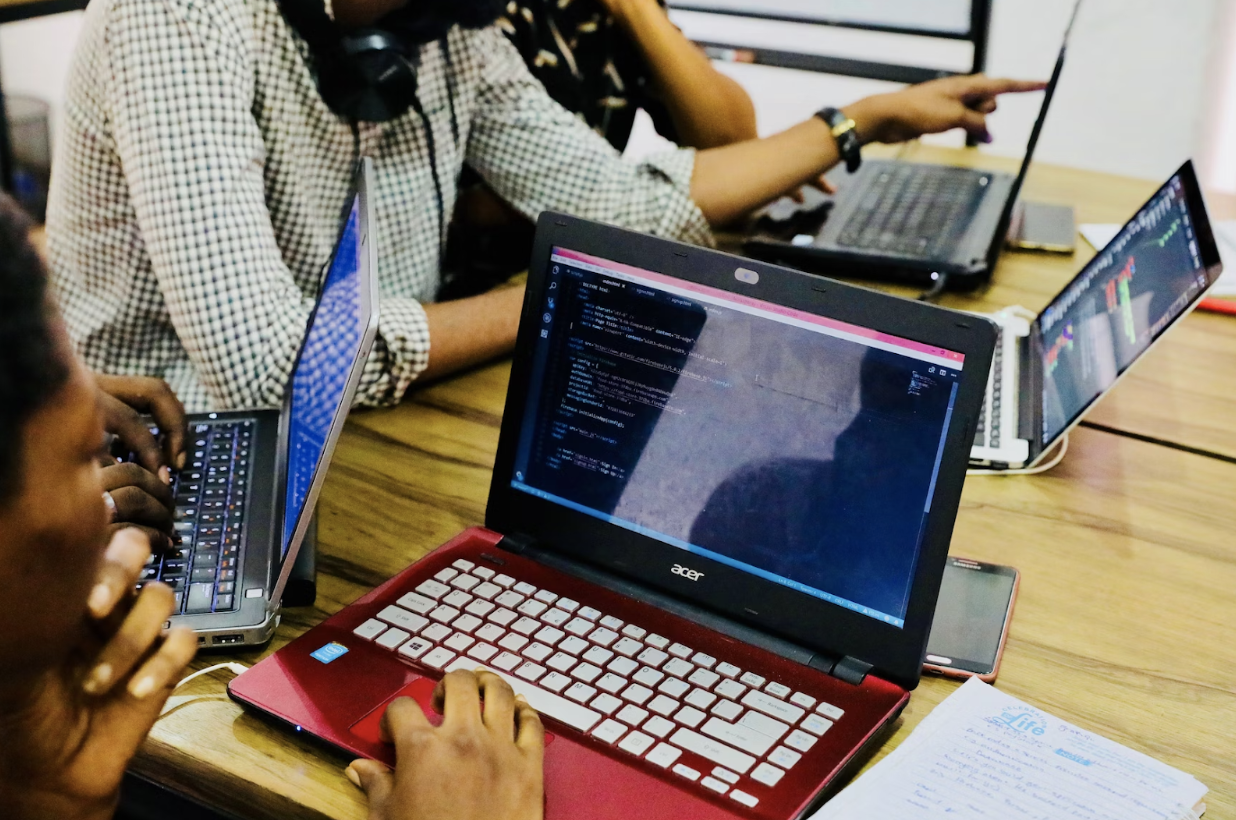
A small deployed application or automation, code on GitHub, and a short write-up
- Part 051 month
Mechatronic Project
One integrated working device, a test report, and a public demo-day presentation
How thecoursesrun.
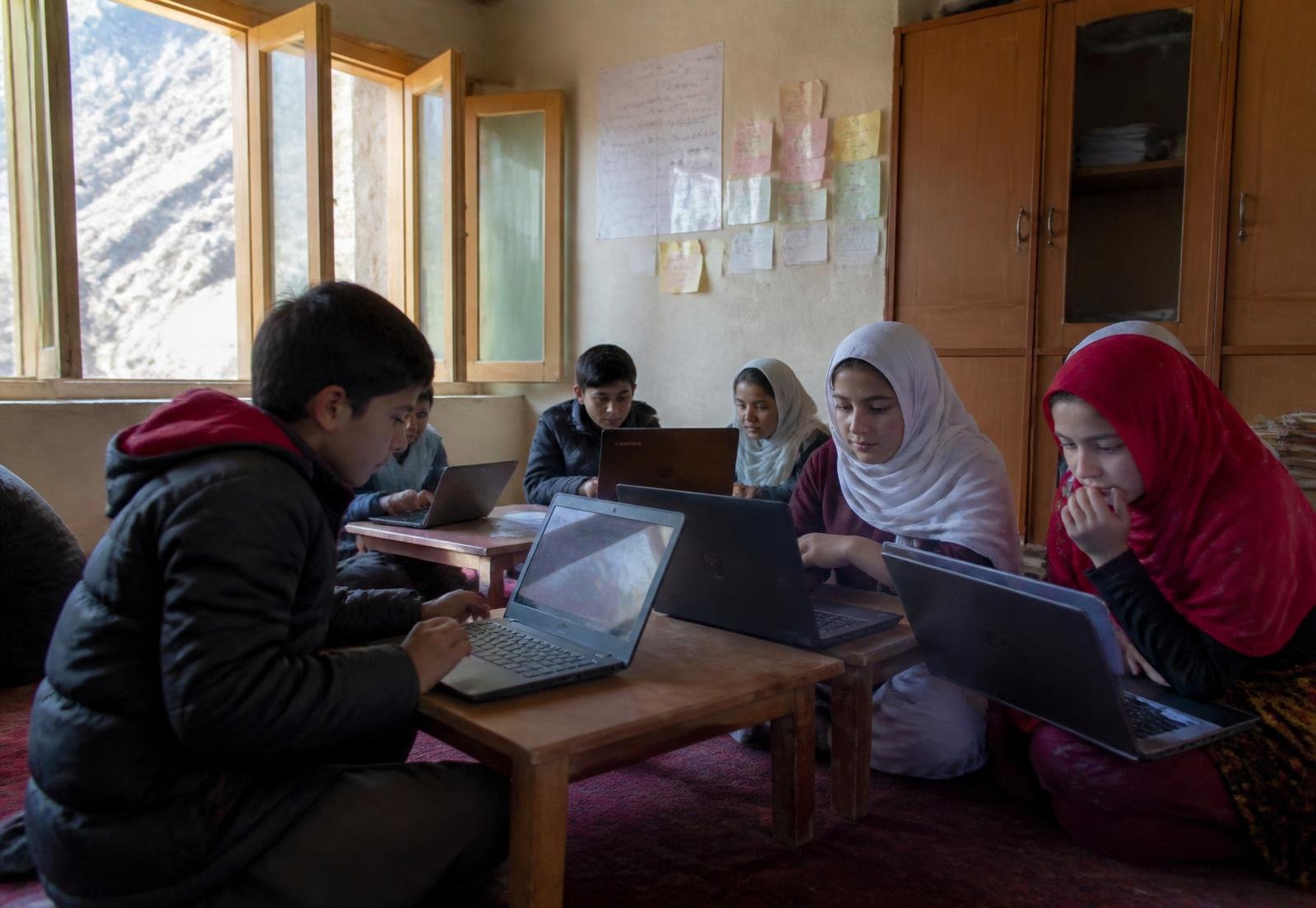
~15 students per class section
COHORT SIZE
Urdu-focused, with English for technical terminology and tools
LANGUAGE
Evening sessions on weekdays, full-day sessions on weekends
SCHEDULE
CAD software, laptops, 1–2 entry-level 3D printers
CORE TOOLS
Every course ends in something a student built.
Capstone projects are pointed, where possible, at real problems in Hunza — not textbook exercises.
Three tracks,one program.
The free Hunza course is the mission; the paid track funds it, and the Sandbox carries graduates on to building real ventures.
Primary — the free Hunza course.
Students in Hunza, selected through application and interview. Cohort 1 targets 50–75 students, secondary school through early college.
- Free to enrol — selected by application and interview
- Secondary school through early college
- Cohort 1: 50–75 students
Secondary — paid courses that fund the mission.
Students elsewhere in Pakistan, via paid courses and — from Year 2 — a paid 10-day Hunza immersion. A funding mechanism, not a separate mission.
- Same curriculum, delivered outside the valley
- Year 2: optional 10-day Hunza immersion
- Revenue funds the free track
Tertiary — graduates building ventures.
Hunza program alumni turning a capstone idea into a real venture, supported through the Sandbox incubator from Year 2.
- Opens from Year 2, for program alumni
- Mentorship, workspace, route to first customers
- Aimed at real problems in Gilgit–Baltistan